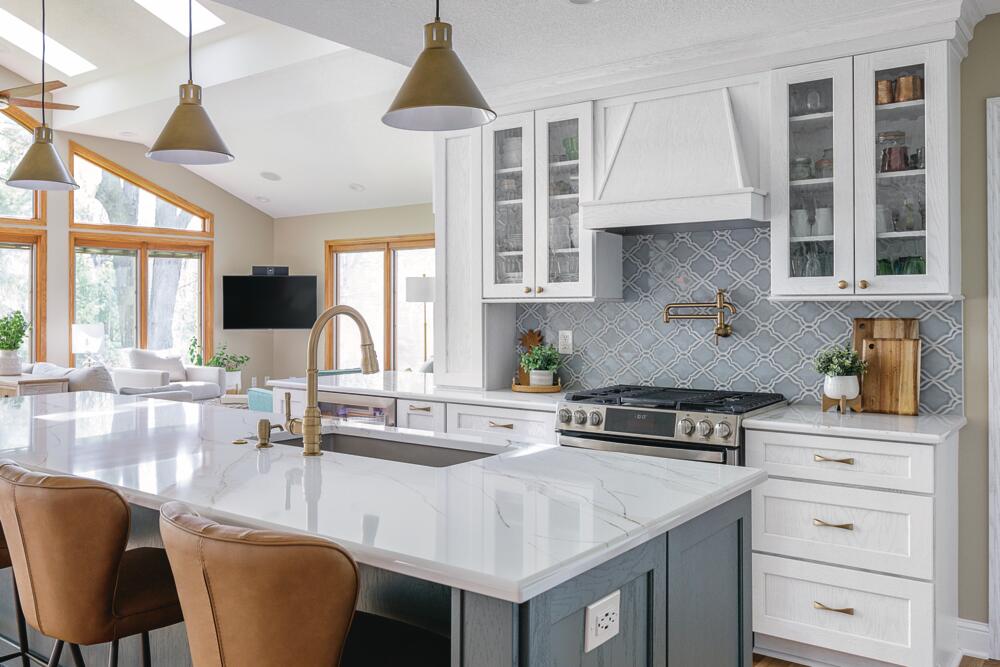
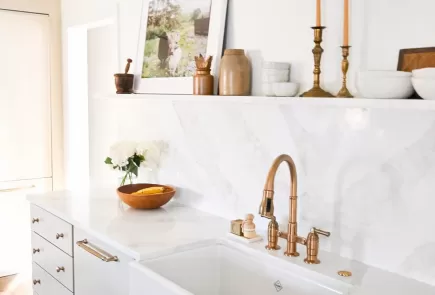
@thirdstreetarchitecture's Clean Inviting Kitchen

About The Author:

Rachel Teodoro is the content creator at RachelTeodoro.com, a home and family blog that helps readers live well on less and encourages others to find inspiration in real life. Rachel shares practical tips and life experiences and spending time in her space is like sharing a cup of coffee with a new Seattle friend. Rachel has been a lifelong Delta Faucet user and loyal customer.

JulyBlog AuthorOverview

There is a lot that goes into a home remodeling project from start to finish. It's easy to want to skip to the good part and head straight to the beautiful after photo without even considering what is involved in between. Careful planning and some extra consideration will help you tackle your own home renovation with ease and these home renovation tips provide a great starting point!

1. Live and Learn

Before tackling any home remodeling projects, live in your home for a bit. It's important to know how the space works for your family and how the home functions. There may be items you find that actually work well, or other quirks you wouldn't have realized had you not spent some time living in the current space. 

Before tackling our kitchen remodel, we lived in our home for eleven years. I knew that the basic footprint of the space worked for our family. Because we have lived in this space, we knew what things were important to keep, and what things we could change. 

It's easy to want to go in swinging a sledgehammer to make the space your own, but trust me, you'll save yourself time and money in the long run by living with the current conditions for a little while before making any big changes. 

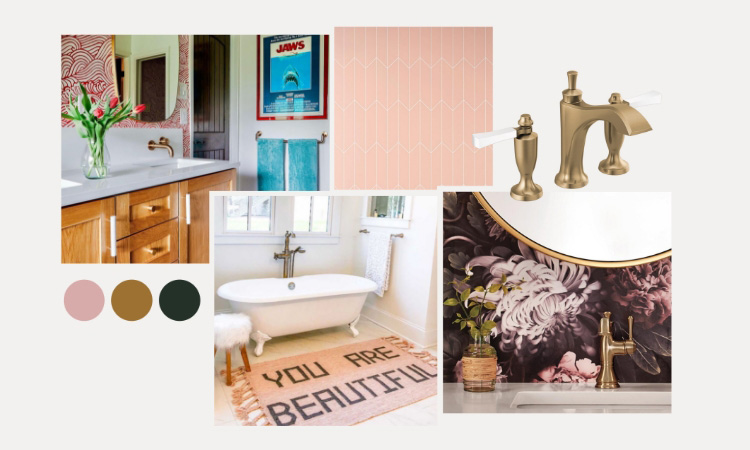
Bold & Eclectic Moodboard

Bold & Eclectic bathroom mood board. See more inspiration on Delta's Pintrest!

2. Create a Visual Idea Board

Starting a remodel can feel like you are working with a blank slate, and that can sometimes be overwhelming! Creating a board on Pinterest dedicated to ideas for your home remodel project, can give you the design inspiration you need to feel empowered to tackle your next project! You can also discover trends in the items you are pinning to your board (did I really just pin that image of the bathroom faucet six times?) as you nail down your style.

Creating a visual idea board gave me the chance to take my design ideas out of my head and share them with my construction and design team so we could achieve that vision. When I didn't know certain design terminology, I could point to a picture I had pinned, and I learned as we went. 

Don't miss this: Home Remodeling Guide: How to Get Started

3. Consider Hiring a Designer

Hiring a designer goes beyond just picking paint colors and fixtures. A good interior designer can help maximize the investment that you are making during a home renovation and take a plan from boring to breathtaking with fresh ideas. They can help you get industry discounts on everything from fixtures to furniture, and they can help you to prioritize your spending on the items that will make the biggest impact on your project over those where you can save money. During a home remodel, there are many moving parts that homeowners struggle to anticipate because of inexperience, but a good designer can help you navigate the process smoothly.

Have you ever considered where to hang a pendant light over an island or how many you need? Or where an electrical outlet or light switch should be located? What about considering what types of knobs or pulls to use on a bathroom vanity and where they should be installed? Trust me, there will be plenty of decisions to make, having a dedicated designer who you trust will help make the process of remodeling less stressful overall.

4. Plan Ahead

You might be eager to get started on your project, but planning ahead for a home renovation project can create a less stressful process overall.

Lead times can be long on materials, and you don't want to be without a kitchen or a bathroom for longer than you have to be! Have a plan for the building materials and supplies you will need and start planning around the items with the longest lead times. That way you can make the most efficient use of your time and avoid costly time delays.

5. Study the Trends

Tackling a home renovation project can be expensive! Creating a timeless design for your home doesn't mean that you can't select items that are considered trendy. The trends that will last the longest are the ones that enhance your daily life. Don't miss this post where Delta's designers talk about real home trends to pay attention to!

6. Don't Rush Yourself With Decision Making

Allow yourself plenty of time to make a decision on the most important design elements. Remodeling can often feel like a hurry-up and wait process, so make sure that you are prepared ahead of time so you aren't rushed to make a decision you might regret later. 

Take time to really decide what is important to you in your remodel project, and also give yourself the time to explore new options. Did you know that Delta has a glass rinser that will change your life? Or maybe you've heard about a touch faucet but weren't sure you'd really like one (spoiler alert: you will!). What about an air switch on your counter for your garbage disposal instead of a switch on the wall? Take some time to find out what is available for your kitchen that you might never have considered before!


7. Be Patient

Everything will take longer than you expect and it's important to set up a realistic home renovation timeline. Make sure you have open communication with your contractor or builder and are extending grace when unexpected issues arise. I have yet to meet a person who lived through a renovation and had a project stay on schedule. It's great to have an idea of the timeline but use it as more of a guide of what to expect next and less of a rigid schedule that needs to be followed.

8. Be Flexible

The best plans will always need to be modified. There will always be surprises you'll encounter during a remodel that you will need to adapt to. You never know what might be behind a wall or under a floor until you start demo, and those findings could change your design plan or need to be fixed and repaired so that you don't run into further issues down the line. Being flexible also means that you will need to set aside extra money in your budget for those unexpected expenses. 


Home Remodeling Mistakes to Avoid

Home renovation mistakes can be avoided. Here are a few common home remodeling mistakes to keep in mind so that you can make your process go as smoothly as possible. Don't forget that change only matters if it lasts!

Have a plan and stick with it!

I am guilty of wanting to get right to business, but creating a plan and sticking to it is key to creating a smooth home remodeling experience. It's easy to want to get started with the end in mind and forget to plan important steps along the way. It's also easy to have scope creep and add on new projects during your renovation excitement. Have a plan and stick to it so that you can get to that end more quickly!


Don't second guess yourself

This is where hiring a dedicated interior designer worked well for us. It's easy to see design options and second guess your decisions, but that can delay your renovation and can cost you more money. Stop scrolling and stop second-guessing yourself! 


Prepare for the unexpected

Renovations often cost more than expected. Consider building in an extra 15-20% to your budget to help you prepare for any unexpected issues that arise.


Compliment Don't Compete

Don't try to change your home's design style, but instead compliment it. This is especially important if you aren't gutting your whole home. You will want any new and updated home remodeling project to compliment your space not to compete for attention.


Don't Overlook Structural Problems

It's easy to want to put your money into the cosmetic changes, but don't overlook the structural problems that your home may have. You might open up a wall to find rotten boards that need to be replaced or electrical that wasn't done to code. Many people assume this is a problem in older homes, but there can be just as many surprises in a newer home during a renovation as well. This is where that extra 15-20% in the budget will help prepare you for those fixes.


Don't Go Cheap!

Most people want to get the most bang for their buck, but don't make the mistake of cutting too many corners. Cheap materials will show wear and tear quickly and you could set yourself up for an expensive failure. You don't have to splurge on every item, but you should balance cost and quality during your project.