144947-SS_B232006-6032-WH_MODEL_WATER_02

Key Takeaways

  • GPM (gallons per minute) measures how much water a shower head delivers.
  • More GPM doesn't always mean a better shower. Spray pattern and coverage matter, too.
  • Most shower heads are limited to 2.5 GPM federally, with some states requiring lower flow rates.
  • Modern low-flow shower heads can still feel powerful thanks to advanced spray technology.
  • A low-flow shower head can still help save water and energy without sacrificing shower satisfaction.


We’ve all had that wow, that was a great shower moment, like that nice hotel with a powerful spray that made you linger a little longer. But we’d like to forget that guest bathroom where weak, uneven coverage turned rinsing out shampoo into a frustrating chore.

What makes one shower feel so different from another? Flow rate is one key factor. 

Flow rate, measured in gallons per minute (GPM), affects how much water your shower head delivers, but more water isn't always the answer. Understanding GPM and modern shower technology can help you choose a shower head that delivers the performance and comfort you're looking for.

What Is Shower Head Flow Rate (GPM)?

Flow rate (GPM) is how much water your shower head releases per minute, and it depends on the shower head you install. Water pressure (psi), on the other hand, is the force pushing water through your pipes, and it comes from your municipal supply or well pump.

If your shower feels weak, your shower fixture is one of several suspects. Our guide on how to fix low pressure in your shower covers this in more depth. 
 

Does a Higher GPM Mean a Better Shower?

Federal law caps new shower heads at 2.5 GPM, and several states have adopted more restrictive limits. But what matters just as much as flow rate is what happens to the water after it leaves the shower head.

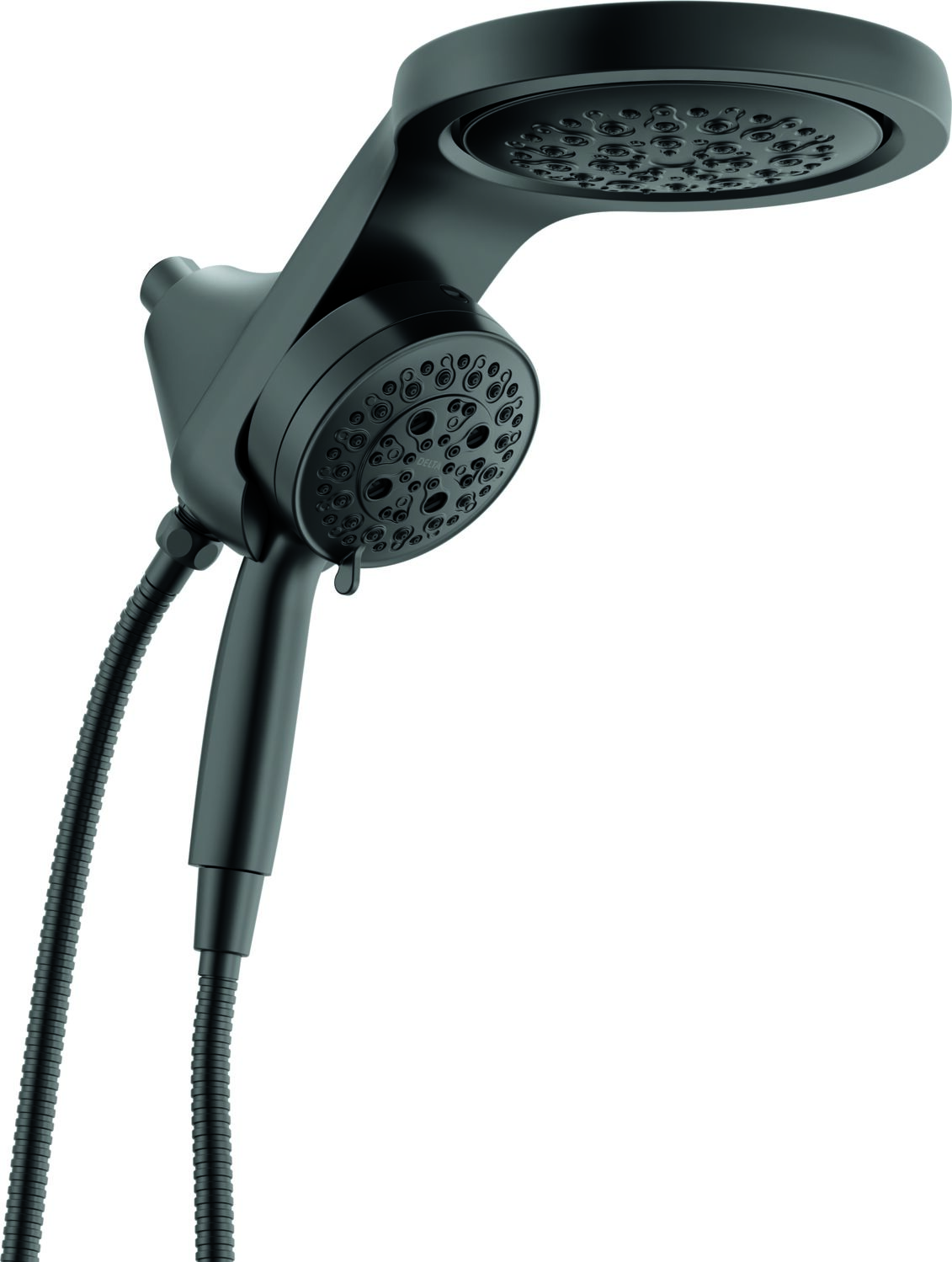
Delta® technologies like H2Okinetic® and In2ition® are designed to shape and direct water to create a more drenching, satisfying shower experience, even at lower flow rates.

Shower Head GPM Regulations and State Water Limits

For thirty years federal, state, and local regulations have moved one way: use less water.

The Energy Policy Act of 1992 capped shower heads at 2.5 GPM from 1994, and 14 states and jurisdictions have since gone further, most to 2.0 GPM. That federal ceiling still stands as of 2026. Recent changes affect how systems with more than one nozzle get counted, so check local plumbing code before buying a multi-head setup.

Here’s the part that matters for you: shower heads also improved over those same thirty years. Saving water and enjoying your shower can now be in the same fixture.


Shower Head GPM Regulations by State

JurisdictionLimit
California1.8 GPM
Colorado2.0 GPM
Hawaii2.0 GPM
Maine2.0 GPM
Maryland2.0 GPM
Massachusetts2.0 GPM
Nevada2.0 GPM
New Jersey2.0 GPM
New York2.0 GPM
Oregon2.0 GPM
Rhode Island2.0 GPM
Vermont2.0 GPM
Washington2.0 GPM
Washington, D.C.2.0 GPM


Everywhere else, 2.5 GPM applies. Confirm with your local building department.
 

What is a Good Shower Head Flow Rate for Your Home?
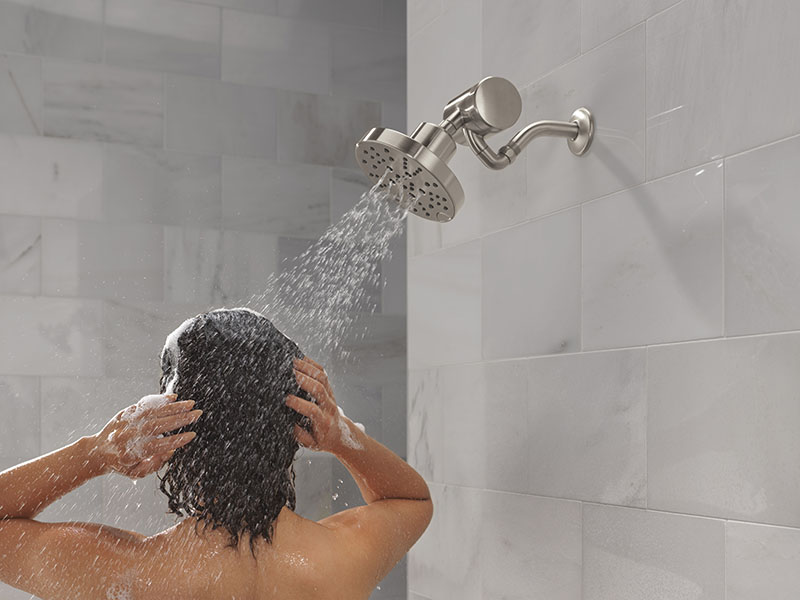
Woman showering and washing hair


Understand flow rates in a practical way.

  • 2.5 GPM suits homes with modest water pressure, where state rules allow.
  • 2.0 GPM fits most homes and is the threshold for EPA WaterSense certification.
  • 1.75 GPM delivers a satisfying shower with real savings.
  • 1.5 GPM works well where incoming pressure is strong.

If you have long hair, take back-to-back showers, or prefer a more drenching spray, consider a higher flow rate. 

How to Measure Your Shower Head Flow Rate

  1. Run the shower on full for 30 seconds to stabilize.
  2. Hold a one-gallon container under the spray and start a timer.
  3. Stop the timer when the container fills.
  4. Divide 60 by the seconds elapsed. A jug that fills in 30 seconds means 2.0 GPM.


What Low Flow Rate Readings Mean

A reading well below the rating usually means mineral buildup or a clogged debris screen. A quick cleaning restores performance, and Delta® shower heads with Touch-Clean® spray holes let you wipe deposits away with a finger.

Most shower heads also contain a flow restrictor. Removing it can break local plumbing code and may affect your warranty, so check with the manufacturer first.
 

Why Low-Flow Shower Heads Can Still Feel Powerful
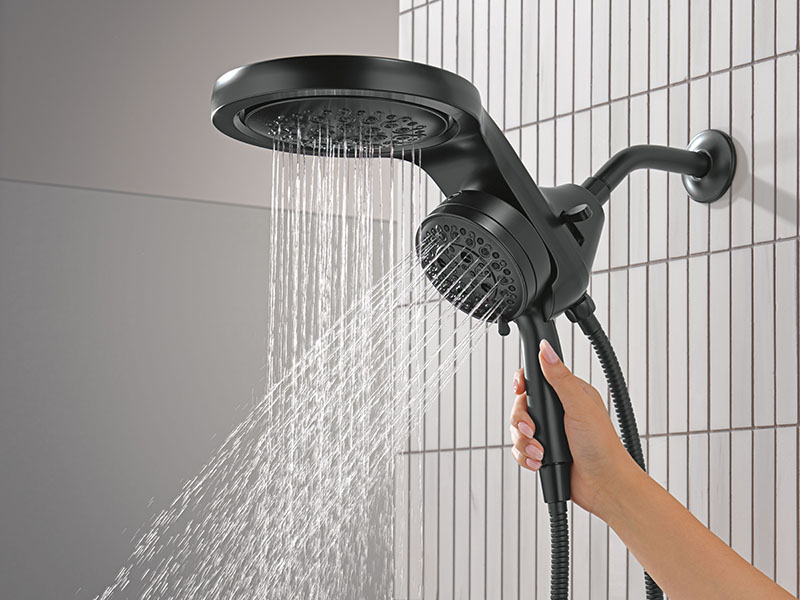
56000-BL_MODEL_WATER_01


Today’s shower heads make better use of every gallon.

Delta® H2Okinetic® Technology reshapes water into a unique wave pattern that provides three times the coverage of a standard shower head*, creating a warmer, more drenching shower experience without using more water.

Thoughtful design does the rest. In2ition® pairs a shower head with a hand shower you can run separately or together, which helps with rinsing long hair, washing kids, and cleaning the shower itself. Multiple spray settings let the same fixture wake you up in the morning and wind you down at night.

Our guide covers how to change a shower head.
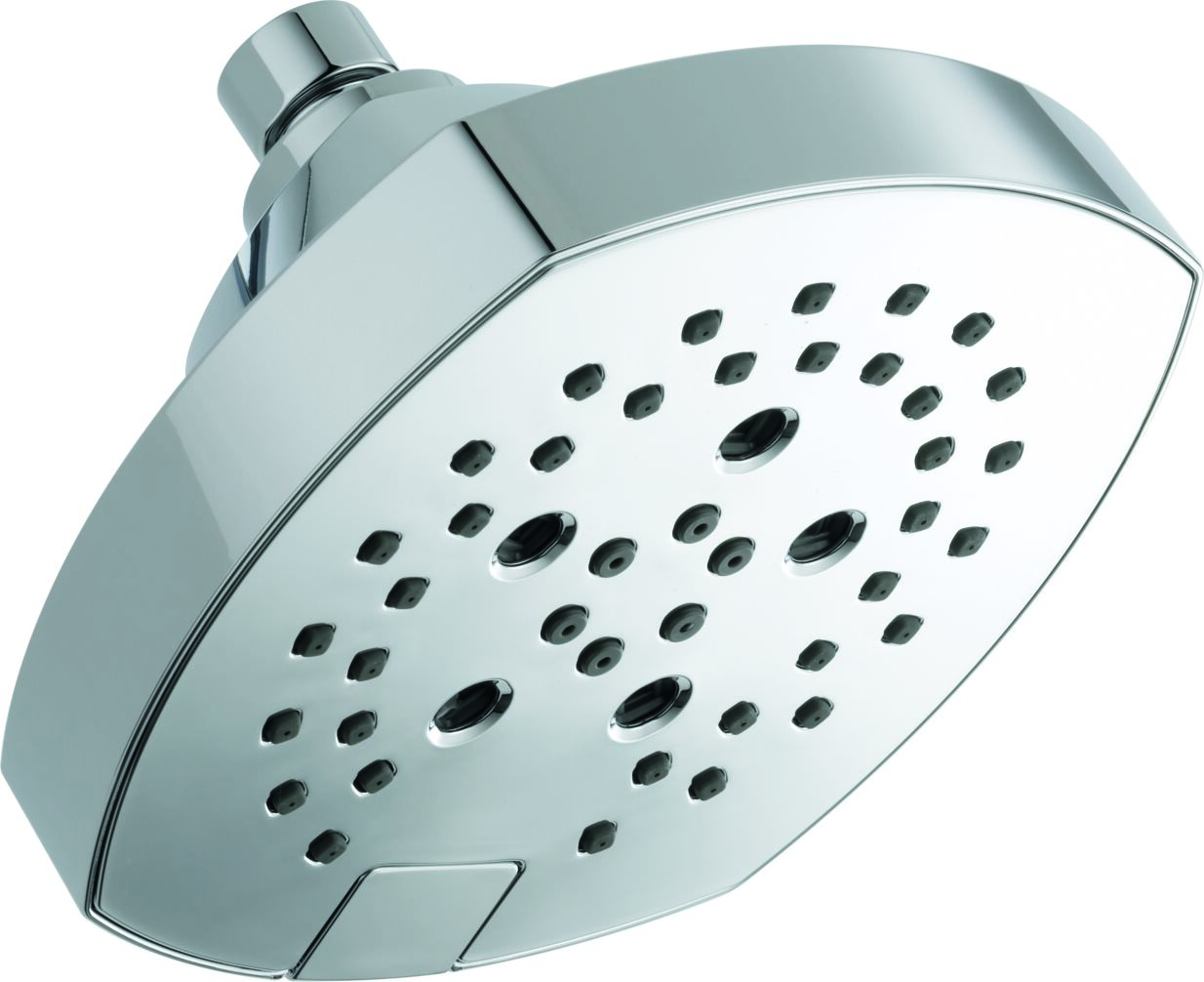
 

How Much Water Does a Low-Flow Shower Head Save?

A WaterSense-labeled shower head saves the average family around 2,700 gallons of water a year, plus more than 330 kilowatt hours of water heating. In plain terms: a smaller water bill, a smaller energy bill, and roughly eleven days of household electricity back.

Showering runs about 40 gallons a day for the average family, so small changes add up fast. The EPA only awards the label to shower heads that also pass independent tests for spray coverage and intensity. Many utilities offer rebates too.

Choosing the Best Shower Head for GPM

Start with your state’s limit, then consider the GPM rating alongside the spray technology. The right shower head fades into the background of your morning, working well enough that you stop thinking about it. For help matching one to your home’s pressure, reach our team online or call 1-800-345-DELTA (3358).

*Coverage measured in accordance with EPA WaterSense Specification for shower heads, March 4, 2010.

**EPA

Frequently Asked Questions About Shower Head GPM

Is 1.8 GPM enough? Yes. California has required it since 2018, and modern spray engineering delivers full coverage at that rate.

How do I find my shower head’s GPM? Check the rating stamped on the face or nut, read the spec sheet, or run the bucket test described above.

Why does my new shower head feel weaker? Heads made before 1994 often ran at 5.5 GPM, so the federal changes that chopped pressure down more than half can really be felt. iMineral buildup and a partially closed supply valve are the other common causes.